Showing posts with label Healthy Diet. Show all posts
Showing posts with label Healthy Diet. Show all posts
Friday, 2 February 2018

Thursday, 1 February 2018
Learning A Few Healthy Eating Tips For Kids From Health Experts

It can be really hard for some parents to get their kids to eat healthy. It is one big challenge, especially when the kids start going to school and they see the variety of tasty junk foods that their classmates consume. But with careful planning and creativity, you can effectively maintain your child's good diet even if there are all sorts of temptations around them. You just have to be very resourceful and learn from health experts about a few healthy eating tips for kids.
First, add more nutritious ingredients to their favorite recipes. Identify the different ingredients your little ones should be consuming regularly to support their development and see how you can obviously or discreetly incorporate them into their favorite dishes. Serve everything in portions. This will prevent overeating. This will also serve as their measurement.
Additionally, create a healthy snack station in your fridge and pantry, especially if your kids already know how to rummage through the fridge and pantry for food. Get rid of anything that you don't want your kids to consume. Leaving them only with healthy options will prevent them from straying from the good path. Get creative with food presentation. Young people can easily get bored if they're served the same selection frequently, but if you make their meals and snacks interesting in appearance, they're not likely to complain that their options are often limited.
Always check food blogs for kids. Don't tire in looking for new healthy recipes to try for your children. Make the Internet your food preparation go-to; it is abundant with recipes intended to promote healthy eating for young eaters. Don't ever use junk food as reward, treat or bribe. Avoid making that association to maintain your children's positive mindset about good and healthy food. Don't force your kids to clean their plate, because at times, doing this can override their physical intuitions and may lead to the unhealthy habit of overeating. Also, this can make meal times less pleasant for the little ones which will make them even more reluctant to eat the next time.
Lastly, ask your kids about their favorite meal. Involve them in food selection and even food preparation. Giving them some power over what they eat can actually encourage them to uphold healthy eating. In addition to that, children are naturally curious, so if you include them in these processes, and have them taste and smell ingredients, you can feed their curiosity.
Article Source: http://EzineArticles.com/9635241
Monday, 29 January 2018
Kids and Teens - Learning to Cook

Kids need to learn to cook. Cooking is a skill that should be a part of every child's learning. Cooking with kids can get messy, and often time consuming, but it is for a good cause. Cooking with children can help them learn many new skills, such as:
- preparing tasty food they enjoy making and eating
- following directions as they cook with you
- learning to use kitchen tools correctly
- practicing safety and proper food handling methods
- learning how to shop for food
- practicing good table manners
There are many reasons why some children don't learn important cooking skills. Sometimes parents don't like to cook and their children can sense it. Then they may feel that cooking is not a big deal, but it is! Many schools have left foods and nutrition classes out of the curriculum. So what's a parent to do to encourage their child to cook and learn more about food and the part it plays in one's life? They could help their child by:
- watching TV cooking shows
- finding information in books or other sources
- encouraging him/her to "help" in the kitchen
Kids get kitchen-savvy through different food experiences. As with many other skills,
practice improves their work.
Why do kids like to cook and work in the kitchen?
It's fun! Mixing, sifting, and stirring appeals to most children. The fun part continues through the eating process. The clean-up? Perhaps not so much, but this is also an important job.
To be creative! Working with food is a chance to show off their creative side. This can be in the way they combine foods or start to find rhythm in following a recipe and working with others.
To impress their friends! Showing off kitchen skills when cooking for or with friends is very self-satisfying.
Knowing how to cook and being comfortable in working in the kitchen is an important skill. Even young children can learn to wash lettuce, stir the batter, set the table. They can begin to build their own cookbook of favorite recipes and can learn more about their own tastes and abilities.
Action plan for today: Talk about favorite foods the child likes. (Emphasize fruits and vegetables). See how many they can name beginning with A, B, C, etc. Have him/her draw pictures of their favorite food.
Involving children in food preparation activities not only helps children learn to cook but provides them with many other learning experiences.
Article Source: http://EzineArticles.com/9699927
Sunday, 28 January 2018
Saturday, 13 January 2018
Monday, 8 January 2018
Monday, 1 January 2018
Tuesday, 12 December 2017
Boost Your Child's Brain Power
Brain is an amazing control center
The human brain has about 100 billion brain cells (neurons). Brain is a small yet amazing control center of thought processes, emotions, memory, learning and other bodily functions. In the early part of life, where intensive learning takes place, your child's brain undergoes massive fine-turning processes.However we often neglect the fact that the brain needs to be 'fed' with nutrients in order for it to function well.
Optimum Nutrients
The brain is made up of more than 60% of fats. The brain cell structure needs plenty of protein. Brain chemicals that regulate learning, perception, moods and behaviour are made from amino acids, vitamins and minerals such as B6 and iron. Hence, your child's diet plays a critical role in how well his brain functions.
Nuts, Seeds & Avocados

Fats are raw material for brain. Your child's brain needs good fats, not those from french fries, fried chiken wings, caked, donuts, chocolates, and potato chips. DHA, an omega 3 fatty acid, has the largest effect on brain fat composition. DHA is often found in fish oil. Other beneficial fat sources are nuts. (e.g. almond, macadamia), seeds (e.g.sesame, sunflower seeds) and avocados.
Fish, Beans, Nuts, Seeds and Lean Meat

Protein is building block for brain chemicals. Amino acids, which proteins are made of, are used to produce brain chemicals such as epinephrine, dopamine and serotonin. These brain chemicals affect your child's concentration and moods. Protein can be obtained from fish, lean meat, poultry, beans, nuts and seeds.
Grains
 Carbohydrates are a source of energy for the brain. Steer clear of highly refined carbohydrates which will often disturb your child's blood sugar and causes drowsiness. Notice how your child's concentration declines after eating white flour products such as white bread, cakes, biscuits, donuts, or other high-sugar foods?
Even white rice, pasta or noodles can affect concentration levels. Good carbohydrates sources are wholegrain such as brown rice, buckwheat, oar, millet, and other such as pumpkin and sweet potatoes.
Fruits & Vegetables

Nutrients like vitamins and minerals transform the building blocks into useful material for the brain. Some of the important brain vitamins are vitamin C, vitamin B6, B12 and folate.
Deficiencies has been link to slower brain functions. Minerals, such as calcium, magnesium, zinc and iron are also important. Deficiencies may lead to reduced concentration and poor memory. These vitamins and minerals are found in fresh vegetables, fruits, beans, nuts, seeds and wholegrain. Hence, your child's diet should include a wide array of fresh and wholesome natural foods.
Practical Tips
Eat in the morning. Breakfast provides your child with energy and nutrients for the morning, when learning in school takes place.
Make sure your child drinks enough water. A dehydrated mind is foggy mind.
Limit sweet foods- this will go a long way for good health.
Discuss and share with your child information about healthy food choices and nutrition. Convince rather than compel him to eat healthy foods.
Set good example by eating healthily.
Copyright (c) 2010 Kids IQ
Article Source: http://EzineArticles.com/3698388
Sunday, 10 December 2017
Help Your Kids and Teens Eat a Healthy, Nutritious Diet for Improved Self Esteem and Well Being

Sometimes we wonder why kids can be lethargic, unmotivated, learning poorly or not retaining information or just plain unhappy. Diet is a major factor in the behavior and emotions of our children, just as it is with adults. You know how bad certain foods can make you feel when you eat them, and think of the effects they have on growing children. A growing child should be fed healthy, nutritious, quality food, organic whenever possible.
Coloring dyes, additives, preservatives, too much sugar and unhealthy fat have all shown in studies that they can have dramatic effects on behaviors, emotions and the health of children and teens, even causing allergies in some instances that can manifest as behavioral issues and disease. While "nutrition therapy" is considered an alternative treatment in our mainstream society, diet and healthy eating should actually be a primary focus for concerned parents who want to alleviate problems before they even start, in addition to healthy eating for the sake of it helping a child be and feel at his best. Often, healthy, happy kids have an extremely clean eating style (aka no junk).
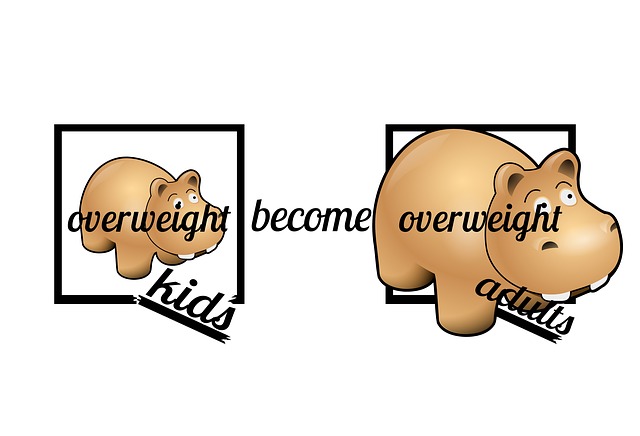
Childhood obesity has become epidemic in our society due to our unhealthy eating and fast-food lifestyle many subscribe to. In addition to the problems already stated above, overweight children are often victims of bullies, low self esteem and negative self talk, which often leads to comfort eating and overeating to soothe the hurt. This quite often evolves into full blown food addiction. It is truly a vicious cycle that often begins as an innocent coping mechanism when stress relief techniques are not taught or are unknown to parents, teachers and role models.
You may find that your whole family needs to begin eating healthy, not just the kids. If you live a typical fast food lifestyle where restaurants cook the majority of your family's meals, then change is needed for the health and well being of everyone. Change does not have to be drastic but by implementing small changes one at a time, before you know it, everyone in the family will be healthier and happier for it. While eating out may seem like a needed break, the health impact of doing so regularly are severe and tend to cause weight gain in most people due to the added fats and sugars in restaurant foods.
What can you do?
First, cut out the soda pop. Soda is one of the worst culprits for too much sugar, colors and empty calories. Soda contributes to weight gain and keeping weight on. Start replacing soda and other sugar filled beverages with water and seltzer water. The body needs water to flush out toxins and to stay healthy. Of course we have all heard that we need 8-10 glasses of water a day, but how close do your children come to that amount? How close do you come to that? If you are making the transition from soda to water, you may want to try cutting seltzer water with a bit of vanilla extract, a splash of cream and ¼ t. stevia (natural sweetener) to create a homemade vanilla cream soda that is delicious and cures the craving for soda.
Eat meals at home. You can easily master the art of the Crockpot which you can launch in the morning and have a wonderful home cooked meal waiting for everyone at dinnertime. Set the table and eat together as a family. Make sure you add your veggies or a big salad to whatever Crockpot dish you choose to cook. A savvy health conscious parent may have their Crockpot on every single day to ensure that the whole family is getting "slow food" that's healthy and ready for them when they need it.
Eat meals together. Surprisingly only 28% of American families eat dinner together at the dinner table. Sitting down and enjoying a family meal is not only good for family bonding and closeness, it's good for digestion and is almost always more nutritious than restaurant meal choices. Eating on the run is never healthy. Make sure your family gets to sit down and eat as a family as often as possible, preferably every night.
Make sure you introduce new fruits and vegetables to your children as often as possible. Get adventurous and learn to cook or slice new foods and experiment! Kids love novel things, and although they may get into the rut of preferring to eat only what they know and like, as a loving parent, you should repeatedly introduce the same new food to your child often until they get used to it. While it may not be their favorite, and you should never force any type of food.. several presentations and asking them to try "just a few bites" will help them explore new textures and flavors, in addition to giving them more nutrients and vitamins than are available in a child-imposed limited menu.
If you are a role model for healthy eating and encourage your child and teen to make healthy food choices along with you, establishing a baseline of healthy eating in youth, children will always come back to what is natural and healthy, because it feels so good. As they get older and realize the impact of any unhealthy food choices they make, they will remember your wise attitude and instruction concerning food.

Present fruits of veggies as a snack instead of junk foods. Of course kids will go for ice creams or pastries or cookies if that's what they are used too. But instead, stock your home with healthy choices that kids love, such as apples with almond butter, celery with cream cheese, freshly made air popped popcorn, apples, bananas with raisins and yogurt, or plain full fat yogurt sweetened with honey and fresh blueberries. All these suggestions are healthy and kids love them! They are also more economical than a box of grocery store cookies.
Over processed foods are linked to feelings of depression, which is one more reason to transition into wholesome natural foods. Healthy eating naturally makes a child feel great due to the high quality of nutrition available in natural wholesome foods and low sugar and fat content. A healthy child or teen feels good about himself too and this healthy self-esteem and confidence spills over into all areas of life.
No parent is perfect, but we must try to help our children learn the basics of healthy eating for their health and well being. We are responsible for what we buy at the grocery store or local famer's market, not our children. When healthy food is in the house, healthy food will be eaten. Make it fun and ask your children to help with the preparation. When everyone has a hand in the pot, everyone has fun, and healthy eating becomes your family's way. Bon Appetite!
Article Source: http://EzineArticles.com/6553991
Subscribe to:
Posts (Atom)