Thursday, 21 December 2017

Wednesday, 20 December 2017
The Importance and Value of Books for Children

Fairy tales and other similar types of stories are frequently found in books for children that are common at home or in libraries and in school. These books can really stir up the imagination of children and teach them good morals and values.
In the past, boy's and girl's preference for the kind of stories found in books for children differed. Boys are interested in stories about adventure like those of pirates, explorers, and pirates. Girls on the other hand are mostly to read about ponies or training as nurses.
Modern stories however cater to the interest of both sexes, and while in the past stories revolve around a group the same gender, today's stories often combine them. The trio of Harry, Ron and Hermione in the Harry Potter series is a perfect example.
Most of the stories in the past also portray a pleasant world were children could wander around safely. In modern books for children however, girl characters like Hermione can get stuck in dangerous situations as much as their boy counterparts.
Nevertheless the mellow flavor of traditional stories is still part of their charm, it allows readers to be reassured by the idyllic world of classics like The Wind in the Willow.
Books for children can be quite lucrative. They can be found in our homes, day cares, and children libraries throughout the world. The characters have even been brought to life in movies. Disney made movies of the classics like, Peter Pan, Aladdin, Cinderella, and Snow White.
JK Rowling is recognized as today's foremost wirier of books for children. She follows in the light o other writer's in children's fiction like Roald Dahl and JRR Tolkien. Her characters, Harry Potter and his friends are now world-famous and her stores have also been immortalized on the silver screen as well.
Her work is so appealing the children who had no attraction to reading are now awaiting the next potter book impatiently. Although her books have been criticized as having no place for religion and are exposing children to potentially harmful realm of magic they also teach values to children.
Courage, loyalty, and comradeship are just a few of the values hat can be learned from books for children Harry Potter.
Article Source: http://EzineArticles.com/373382
Tuesday, 19 December 2017
Why Parenting Is Important?

Parents are the most important teachers in their children's lives. Children learn most of their moral values from their parents. If you have noticed most children imitate their parents. Along with love and care, children require someone to discipline them. Parents are the best ones who can discipline them. When disciplined by a parent, the child understands that he/she is loved but has done something wrong and hence has been corrected.
Parenting is much more than just providing materialistic things for your children. Parenting should involve spending time with your kids, chatting with them daily, teaching them good from bad, correcting them every time they do something wrong, teaching them manners, teaching them to share, loving them, playing with them, teaching them what respect is and installing moral values in them. I firmly believe that one of the major causes of violence in our world today is the lack of good parenting. If you teach your children values such as love and forgiveness, you have helped make our world a better place.
Parenting is the power that parents possess to mould their children into decent and loving individuals.
Parents have the ability to inspire their kids and to teach them moral values. Children automatically imitate what they learn at home and what they learn at home, they never forget. You can be sure that they will pass it on to their children as well. In the light of the above, parenting is not just important, it is essential. Good parenting on behalf of the parents will in turn ensure a better society at large.
If we teach and inculcate the right values in our kids today, we have hope for a brighter future; we have hope for a better world, a world in which our children and grand children can live in peace and harmony
Article Source: http://EzineArticles.com/989499
Monday, 18 December 2017
Sunday, 17 December 2017
Children Can Learn Morals And Values From Books

There is yet no better medium than books to teach good morals and inculcate the right values in children. Little children love fairy tales and in their dreams they meet the characters they adore. They develop a strong bond with them and see them as role models. Their imagination is stirred when parents read fables and fairy tales at bedtime and they learn to emulate the ideal character portrayed by their favorite heroes' in day-to-day life.
Home and school libraries stock storybooks for children that have stories of adventurers, pirates, explorers and various other interesting topics and subjects. Boys find these stories very fascinating. Girls are more interested in stories that have dolls, ponies, flowers, or are about training as teachers/nurses, cooking food and bringing up a family etc. Each group finds interest in stories that involve characters of the same gender. Stories written for kids usually had either male or female characters specific to each story.
However, stories now combine leading characters of both sexes. A good example of this can be seen in the Harry Potter series that have the stories knitted around the trio of Harry, Ron and Hermione. This recent trend in story writing is leading to a gradual change in the preference of both boys and girls who can now be observed being commonly interested in stories revolving around certain theme centric characters involving both genders.
Stories in the past depicted a safe and pleasant world in which little children could venture out in safety. Modern day stories put even girl characters like Hermione in dangerous situations. However, the charm of stories for little children are still retained making them thoroughly enjoyable and captivating, taking children on a journey into the realm of fairies, gnomes, witches, giants, speaking animals and cities having houses made of sweets, chocolates and cakes.
Illustrated books have their own charm and are loved by children. They help children to create a visual image of their favorite character(s) in their minds. The pictures of different animals and places like gardens and forests etc. keep them happy and occupied and provide them with knowledge about many things and places, which they may not have seen. For their young minds, books are like wells from which they constantly draw the water of knowledge.
Books are good friends to children and provide them with company at any time of the day or night. In comparison to movies, books provide a more powerful medium to teach strong values like comradeship, courage and loyalty to children. As a child gets engrossed in reading, he finds himself transported to the imaginary locale of the story with the characters moving around him. By bonding to the characters, children learn to respond to real life situations when they undergo similar experiences. They learn to express their desires, fears and aspirations. Good books cater to healthy mental and psychological development of children.
Article Source: http://EzineArticles.com/987978
Saturday, 16 December 2017
Effects of Modern Gadgets on Children's Values

With the modern trends of technology nowadays, children are prone to harmful effects that gadgetry brings. About 60 to 70% of kids around the world ages 10-17 years old are hooked up to cellular phones. They spend up to 5 or more hours calling, sending texts or just playing. And there will also be a mobile phone, known as Firefly, for children below 5 years old, it's designed for them simply to call up their Mum.
Usage of this gadget can be uncontrollable. Its up to you as a mother or parent to teach your child to be responsible on their mobile phones, to ask them to pay-up when their mobile runs out of money. Or to get some agreement from the mobile companies that automatically cuts-off usage when the child overuses their allowance for the month.
The T-mobile phone company has a feature enabling you as parent to know those numbers that your child is calling. Most of the mobile phones nowadays got an inbuilt camera, so you can tell your children what are good pictures to shoot and bad for circulation.
Notify them that you like to look on the photos as well as videos, tell them you'll only be the one who can remove them.
Purchase the easy to use or simplest mobile phones as possible. If children got a phone model that enables them to surf the internet, monitor their menu programs and sign-in the built in controls for younger mobile user.
Modern technology is making our lifestyle easier but it also has its pros and cons. We need to teach the young ones about the beneficial and harmful effects it might bring. Remember the saying, "Children are the hope of motherland."
Article Source: http://EzineArticles.com/2638290
Friday, 15 December 2017
Thursday, 14 December 2017
List of Values for Kids

A list of values helps parents focus on specific principles they would like to teach their children. Making a list of values for kids may feel overwhelming. Remember that teaching values is something that a child learns throughout his or her lifetime.
Below you will find suggestions to help you make a list of values. Take a look at the example list of values, along with the ideas on how to teach using your own list.
Making a list of Values for Kids
· Take a moment and think about someone you admire.
· As you think of this person, write down attributes you appreciate.
· Next to this list, write the values that are associated with the qualities you admire.
· Talk to friends, families, teachers, and religious leaders. Ask and note what values they try to live by.
· Think of principles or standards that are important to you. Write down those that you would like to instill in your own children.
First write down every idea that comes to you. Later you can edit the list to your top ten or fifteen values to keep it manageable.
Example List of Values for Kids
The following list of values for kids is an example of principles that you might include on your list. These values are not in any particular order.
· Honesty
· Integrity
· Kindness
· Empathy
· Thankfulness
· Curiosity
· Respect
· Imagination
· Hard work
· Perseverance
· Faith
· Friendship
Notice that imagination and curiosity are part of the list for values. Values are not only principles and standards. They are also what we consider important in our lives and would like to pass on to our children. Keep this in mind as you make your own list of values.
Teaching Values with a List
Values are taught by example in the home. Review the values on your list. As you talk with and listen to your child, moments to teach values will present themselves.
Use these moments to help your child know what you think is right in a particular situation. Assist them as they think of ways to put values into action in their everyday lives.
A lesson with the family, teaching a different value from your list each week or month, is an additional way to help your children understand and learn values.

Music can help teach values on your list. Find a song with words that illustrate one of the values on your list. Listen to it in the car or at home. As the child becomes familiar with it, you can begin teaching the words.
As you learn the words together you may ask questions like the following:
· What does this song talk about?
· What is it trying to help us understand?
· What is a situation where you could apply this value?
Keep in mind that learning and teaching values is a life long endeavor. Don't be discouraged; just be consistent. Live the values you want to teach. Expect and help your children to live them also.
Article Source: http://EzineArticles.com/7377690
Wednesday, 13 December 2017
Christmas Party Games Young Children

When planning Christmas games for young children, the options are endless. Make sure you provide room to run, do a little planning and the kids are sure to have a good time.
Let's start with a few relay race ideas. Begin with a candy cane relay. Give each team 4 candy canes (and be sure to have a few more in case some break) and have the child who's running hold the candy canes between their fingers, with the crooked part of the cane hanging over their fingers. But tell them not to use their thumbs. The canes should be just carefully perched between their fingers.
The children run to their teammate, exchange the candy canes (again, only using fingers), and that teammate runs to the other end and does the same. The game is over when only one team still has candy canes that haven't dropped on the floor.
Another fun relay that kids love is pass the ornament. In this game, each team gets one ornament (a lightweight, basic thin glass one is fine) and a straw. They must blow through the straw to get the ornament down the line, then the next child blows on their straw to get the ornament back down the line. Make sure each child has a fresh straw, as you don't want everyone to get sick.
This next simple relay game can be played with just about anything that signifies Christmas. You could have the children pass a Santa hat (perhaps requiring them to wear the hat as they run down the line) or have them wear Christmas socks that they then have to take off and get to the next child during the relay.

"Santa Says" is a fun game that all children will know how to play because it's just like "Simon Says". Before playing it, confirm that each child is familiar with "Simon Says" and then create a series of orders from "Santa", like "Santa says, touch your toes", "Santa says bend your knees" and so on. But sometimes leave the "Santa says" part off and trick the children. Always a popular game!
Young children love the "freeze dance" which is often played in preschool and kindergarten. Only in this game, you create a Christmas freeze dance: here you play some Christmas music, let the children do a little dance, then turn the music off and the children must "freeze". If there will be several sit-down games played at the party, this is a great way to let the children use some energy before they have to sit down and focus on the other games.
Young children can play the "clue" game as long as the questions are kept to their knowledge of various things surrounding Christmas. The game is played like this: the teacher gives a series of clues about something Christmas related and keeps giving clues until someone shouts out the answer. It might go something like this:
Answer: Santa's sleigh
Clue: I'm thinking of something big
Clue: It helps Santa on Christmas Eve
Clue: It holds a lot of presents
Clue: It's very fast
You keep giving clues until he children figure out the answer. Since these are young children, don't give clues that are too difficult or beyond their knowledge.
Kids love toss games, so why not create a snowball toss game at Frosty's belly? Get or make a large cardboard cutout of Frosty the Snowman and cut a hole in his stomach. You can create snowballs out of several things. Take plastic bags and put mini marshmallows inside, or use Styrofoam balls. If you use the latter, don't make the children throw the "snowballs" very far since the Styrofoam won't go that far. Have the children stand a distance back from Frosty (you can determine this depending on the age of the children and space you have available) and have them toss the snowballs into Frosty's tummy. First one to get all 3 snowballs in the tummy wins a prize!
Article Source: http://EzineArticles.com/1739288
Tuesday, 12 December 2017
Boost Your Child's Brain Power
Brain is an amazing control center
The human brain has about 100 billion brain cells (neurons). Brain is a small yet amazing control center of thought processes, emotions, memory, learning and other bodily functions. In the early part of life, where intensive learning takes place, your child's brain undergoes massive fine-turning processes.However we often neglect the fact that the brain needs to be 'fed' with nutrients in order for it to function well.
Optimum Nutrients
The brain is made up of more than 60% of fats. The brain cell structure needs plenty of protein. Brain chemicals that regulate learning, perception, moods and behaviour are made from amino acids, vitamins and minerals such as B6 and iron. Hence, your child's diet plays a critical role in how well his brain functions.
Nuts, Seeds & Avocados

Fats are raw material for brain. Your child's brain needs good fats, not those from french fries, fried chiken wings, caked, donuts, chocolates, and potato chips. DHA, an omega 3 fatty acid, has the largest effect on brain fat composition. DHA is often found in fish oil. Other beneficial fat sources are nuts. (e.g. almond, macadamia), seeds (e.g.sesame, sunflower seeds) and avocados.
Fish, Beans, Nuts, Seeds and Lean Meat

Protein is building block for brain chemicals. Amino acids, which proteins are made of, are used to produce brain chemicals such as epinephrine, dopamine and serotonin. These brain chemicals affect your child's concentration and moods. Protein can be obtained from fish, lean meat, poultry, beans, nuts and seeds.
Grains
 Carbohydrates are a source of energy for the brain. Steer clear of highly refined carbohydrates which will often disturb your child's blood sugar and causes drowsiness. Notice how your child's concentration declines after eating white flour products such as white bread, cakes, biscuits, donuts, or other high-sugar foods?
Even white rice, pasta or noodles can affect concentration levels. Good carbohydrates sources are wholegrain such as brown rice, buckwheat, oar, millet, and other such as pumpkin and sweet potatoes.
Fruits & Vegetables

Nutrients like vitamins and minerals transform the building blocks into useful material for the brain. Some of the important brain vitamins are vitamin C, vitamin B6, B12 and folate.
Deficiencies has been link to slower brain functions. Minerals, such as calcium, magnesium, zinc and iron are also important. Deficiencies may lead to reduced concentration and poor memory. These vitamins and minerals are found in fresh vegetables, fruits, beans, nuts, seeds and wholegrain. Hence, your child's diet should include a wide array of fresh and wholesome natural foods.
Practical Tips
Eat in the morning. Breakfast provides your child with energy and nutrients for the morning, when learning in school takes place.
Make sure your child drinks enough water. A dehydrated mind is foggy mind.
Limit sweet foods- this will go a long way for good health.
Discuss and share with your child information about healthy food choices and nutrition. Convince rather than compel him to eat healthy foods.
Set good example by eating healthily.
Copyright (c) 2010 Kids IQ
Article Source: http://EzineArticles.com/3698388
Monday, 11 December 2017
Follow a Diet to Improve Memory

Instead of following treatments that are based on drugs in order to improve their memory, people should pay more attention to the foods they are consuming, as these can enhance the mental processes, too. Following a diet to improve memory is easier, because the foods do not have side effects and contraindication. Of course, a selection must be made, as not all the foods are proper for improving the brain functions.
First of all, a diet to improve memory should be based on foods that contain high amounts of iron. Iron deficiency anemia represents one of the main causes of poor school performance. Learning, thinking and recalling the information are performed with difficulty when the iron levels are below the normal limits. Also, a low level of iron in the body determines concentration problems.

Women who are between 19 and 50 years old require a greater amount of iron than men of the same age do. As many studies have shown, the iron level is correlated to the IQ. In order to increase the iron level back to normal, people are advised to follow a diet to improve memory that is based on whole grain cereals and breads, beef, dried apricots and raisins. When the diet does not supply the necessary amount of iron, it is better to take some supplements.
The fruits and vegetables must be part of the diet to improve memory, too. These, along with the carbohydrates, contain significant amounts of vitamins and minerals. They stimulate the brain and improve the overall health condition. The blueberries, for example, contain important quantities of antioxidants that improve the immune system by fighting the free radicals. The action of the free radicals is enhanced by the environmental toxins, such as radiation and air pollution.
Other fruits and vegetables that should be part of the diet to improve memory include cantaloupe, watermelon, potatoes, radishes, strawberries, kale and red cabbage. The fruits and the vegetables also act as energy boosters. This way, they can be used in the treatment of depression, which is the major cause of memory loss.
People who follow a diet to improve memory should also consider consuming fish, such as sardines. Omega-3 fats, which represent an important part of the brain cells' membranes, is found in fish. A part of the omega-3 fats, which are also known as alpha linolenic acids, is transformed by the body into DHA.
Article Source: http://EzineArticles.com/467615
Sunday, 10 December 2017
Help Your Kids and Teens Eat a Healthy, Nutritious Diet for Improved Self Esteem and Well Being

Sometimes we wonder why kids can be lethargic, unmotivated, learning poorly or not retaining information or just plain unhappy. Diet is a major factor in the behavior and emotions of our children, just as it is with adults. You know how bad certain foods can make you feel when you eat them, and think of the effects they have on growing children. A growing child should be fed healthy, nutritious, quality food, organic whenever possible.
Coloring dyes, additives, preservatives, too much sugar and unhealthy fat have all shown in studies that they can have dramatic effects on behaviors, emotions and the health of children and teens, even causing allergies in some instances that can manifest as behavioral issues and disease. While "nutrition therapy" is considered an alternative treatment in our mainstream society, diet and healthy eating should actually be a primary focus for concerned parents who want to alleviate problems before they even start, in addition to healthy eating for the sake of it helping a child be and feel at his best. Often, healthy, happy kids have an extremely clean eating style (aka no junk).
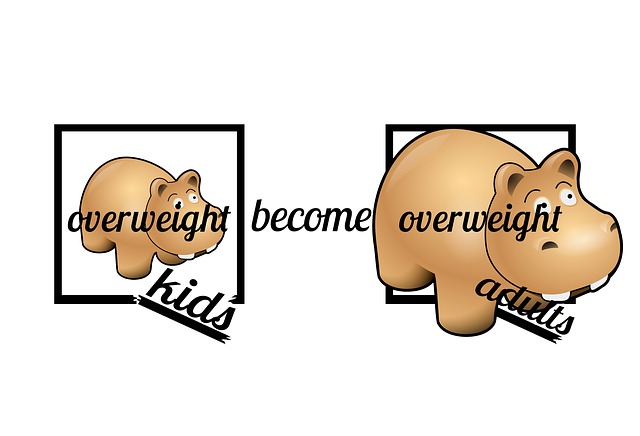
Childhood obesity has become epidemic in our society due to our unhealthy eating and fast-food lifestyle many subscribe to. In addition to the problems already stated above, overweight children are often victims of bullies, low self esteem and negative self talk, which often leads to comfort eating and overeating to soothe the hurt. This quite often evolves into full blown food addiction. It is truly a vicious cycle that often begins as an innocent coping mechanism when stress relief techniques are not taught or are unknown to parents, teachers and role models.
You may find that your whole family needs to begin eating healthy, not just the kids. If you live a typical fast food lifestyle where restaurants cook the majority of your family's meals, then change is needed for the health and well being of everyone. Change does not have to be drastic but by implementing small changes one at a time, before you know it, everyone in the family will be healthier and happier for it. While eating out may seem like a needed break, the health impact of doing so regularly are severe and tend to cause weight gain in most people due to the added fats and sugars in restaurant foods.
What can you do?
First, cut out the soda pop. Soda is one of the worst culprits for too much sugar, colors and empty calories. Soda contributes to weight gain and keeping weight on. Start replacing soda and other sugar filled beverages with water and seltzer water. The body needs water to flush out toxins and to stay healthy. Of course we have all heard that we need 8-10 glasses of water a day, but how close do your children come to that amount? How close do you come to that? If you are making the transition from soda to water, you may want to try cutting seltzer water with a bit of vanilla extract, a splash of cream and ¼ t. stevia (natural sweetener) to create a homemade vanilla cream soda that is delicious and cures the craving for soda.
Eat meals at home. You can easily master the art of the Crockpot which you can launch in the morning and have a wonderful home cooked meal waiting for everyone at dinnertime. Set the table and eat together as a family. Make sure you add your veggies or a big salad to whatever Crockpot dish you choose to cook. A savvy health conscious parent may have their Crockpot on every single day to ensure that the whole family is getting "slow food" that's healthy and ready for them when they need it.
Eat meals together. Surprisingly only 28% of American families eat dinner together at the dinner table. Sitting down and enjoying a family meal is not only good for family bonding and closeness, it's good for digestion and is almost always more nutritious than restaurant meal choices. Eating on the run is never healthy. Make sure your family gets to sit down and eat as a family as often as possible, preferably every night.
Make sure you introduce new fruits and vegetables to your children as often as possible. Get adventurous and learn to cook or slice new foods and experiment! Kids love novel things, and although they may get into the rut of preferring to eat only what they know and like, as a loving parent, you should repeatedly introduce the same new food to your child often until they get used to it. While it may not be their favorite, and you should never force any type of food.. several presentations and asking them to try "just a few bites" will help them explore new textures and flavors, in addition to giving them more nutrients and vitamins than are available in a child-imposed limited menu.
If you are a role model for healthy eating and encourage your child and teen to make healthy food choices along with you, establishing a baseline of healthy eating in youth, children will always come back to what is natural and healthy, because it feels so good. As they get older and realize the impact of any unhealthy food choices they make, they will remember your wise attitude and instruction concerning food.

Present fruits of veggies as a snack instead of junk foods. Of course kids will go for ice creams or pastries or cookies if that's what they are used too. But instead, stock your home with healthy choices that kids love, such as apples with almond butter, celery with cream cheese, freshly made air popped popcorn, apples, bananas with raisins and yogurt, or plain full fat yogurt sweetened with honey and fresh blueberries. All these suggestions are healthy and kids love them! They are also more economical than a box of grocery store cookies.
Over processed foods are linked to feelings of depression, which is one more reason to transition into wholesome natural foods. Healthy eating naturally makes a child feel great due to the high quality of nutrition available in natural wholesome foods and low sugar and fat content. A healthy child or teen feels good about himself too and this healthy self-esteem and confidence spills over into all areas of life.
No parent is perfect, but we must try to help our children learn the basics of healthy eating for their health and well being. We are responsible for what we buy at the grocery store or local famer's market, not our children. When healthy food is in the house, healthy food will be eaten. Make it fun and ask your children to help with the preparation. When everyone has a hand in the pot, everyone has fun, and healthy eating becomes your family's way. Bon Appetite!
Article Source: http://EzineArticles.com/6553991
Saturday, 9 December 2017
Foods That Improve Eyesight - Diet to Correct Poor Vision

Kids and youngsters with weak eyesight and spectacles are commonly observed now-a-days. Weak eyesight results mainly due to nutritional deficiencies since childhood that increases in the developing stages of life. This must be given serious consideration otherwise conditions may worsen leading to blindness. Other factors like wrong reading habits, genetic factors may also play a significant role in the weakening of eyesight.
Parents must pay due attention to the regular diet of their children at a very early age to prevent any sort of eye weakness. Deficiency of Vitamin A is the main cause for weak eyesight in the individuals. Pregnant women should take sufficient dietary supplements of Vitamin A and Folic acid to prevent weakness in the brain and the eyes.
Symptoms
Weakness in eyesight can be detected by the following symptoms.
1. Haziness in vision.
2. Unable to see objects from normal distance.
3. Long and short sightedness.
4. Headache during studies.
5. Burning sensation followed by watering of the eyes.
6. Persistent common cold.
Causes
Deficiency of Vitamin A is the main cause for weak eyesight. Other factors affecting the eyesight are
1. Long hours of watching TV and working on computers.
2. Reading in excess light or in dim light.
3. Genetic factors.
4. Alcoholism affects the eyesight in matured age.
5. Wrong eating habits.
6. Digestive problems.
Dietary Suggestions for Weak Eyesight

Weak eyesight can be considerably improved through dietary modifications, which should be followed strictly.
1. Diet enriched in Vitamin A should be taken regularly. This should consist of colored fruits and vegetables like banana, papaya, carrots, spinach, broccoli, sprouts, pumpkins and mangoes. Fish, dairy products, liver, egg yolk also helps in improving the eyesight. Fish contains amino acids, which is essential for healthy eyes.
2. Oily fish are rich in omega 3 fatty acids, which are beneficial for the eyes. Try to include tuna, sardines, mackerel and salmon in your regular diet.
3. Take small amounts of raisin or peanuts daily. This is also beneficial in improving weak eyesight.
4. Drink lettuce juice or use lettuce leaves in your salads for better eyesight.
5. Regular consumption of foods rich in Vitamin C like guava, gooseberry, oranges, lemon, tomatoes help in preventing cataracts and other eye disorders in old age.
6. Inclusion of nuts and seeds, dry fruits are also beneficial for the health of the eyes.
7. Sulfur rich foods like onion, garlic, capers and shallots help in improving the eyesight.
8. Some herbs like parsley, oregano and turmeric have been proved good for the eyes.
9. You can take I-Lite capsule which is a safe ayurvedic supplement to improve eyesight and clear vision.
Article Source: http://EzineArticles.com/5489281
Subscribe to:
Posts (Atom)